


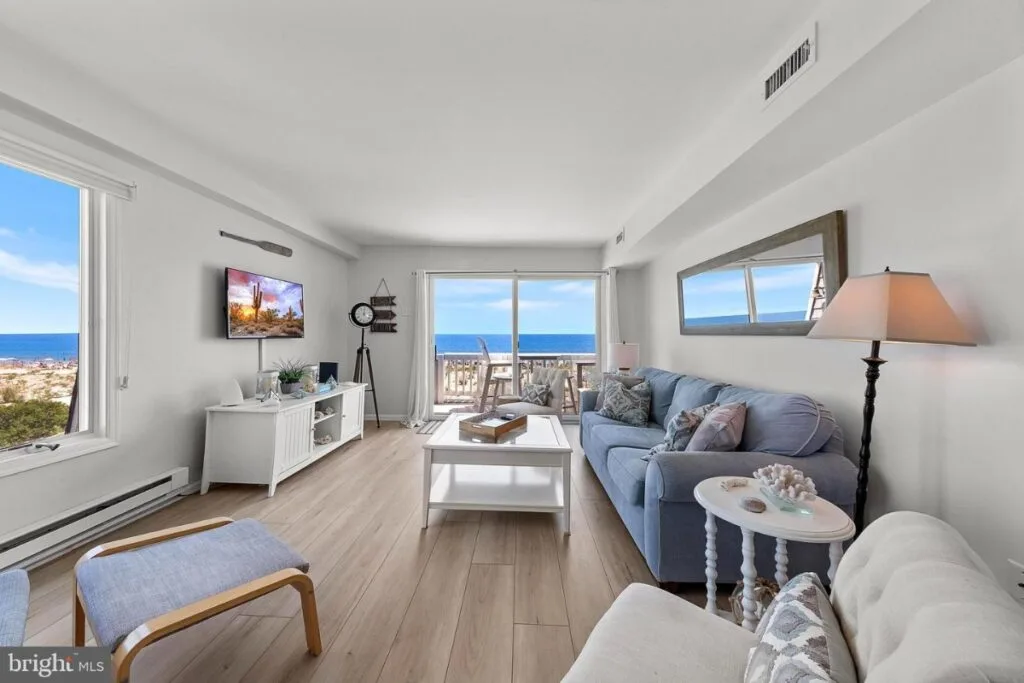
Vacation home or primary residence, the right plan changes everything.
Long Beach Island (LBI) continues to be one of New Jersey’s most sought-after coastal destinations. With a steady demand paired with limited island inventory, it presents compelling reasons for homeowners to consider a sale.
When you’re getting ready to list, one detail matters more than many sellers expect: whether the property is your vacation home or your primary residence. That distinction can directly impact what your home is worth to buyers, how you should position it, and what you may keep after closing. Pricing, taxes, marketing strategy, and timing often play out differently depending on how the home is used.
Table of Contents:
Key Differences Between Vacation Homes and Primary Residences
Let’s start with one simple idea: how a home is used shapes how it’s sold. Even when two properties look similar on paper, the day-to-day reality of living in them (or not living in them) changes the buyer pool, the best timing, and the way value is perceived.
Use and Occupancy
Most Long Beach Island vacation homes are used on weekends, summer weeks, and holidays. That pattern affects how the home is maintained and what features buyers pay attention to.
A primary residence is lived in year-round, which usually means:
- More consistent use (and sometimes more wear-and-tear)
- Different must-haves (storage, parking, efficiency)
- A different definition of “move-in ready”
Market Timing
On LBI, vacation home sales often track seasonality. Buyer urgency tends to rise when people are imagining themselves using the home soon, especially as spring approaches.
Primary residences can sell any time of year because motivation is often tied to life events like relocation, downsizing, or family needs. In other words, vacation demand can be calendar-driven, while primary-home demand is often life-driven.
Buyer Profile
Vacation-home buyers tend to focus on:
- Location, beach access, and outdoor living
- Views, privacy, and that “vacation feel”
- Simplicity or something they can enjoy quickly
- Sometimes rental potential (even if they don’t lead with it)
Primary-residence buyers usually prioritize:
- Year-round comfort and functionality
- Practical layouts, storage, and parking
- Ease in all seasons and daily routines
Neighborhood Influence
Vacation homes in New Jersey are often found in beach-centric pockets where buyers expect an “escape” experience: walkability, town vibe, and the coastal lifestyle.
Primary residences are more often evaluated through the lens of year-round living: neighbor activity in the off-season, convenience, location, and day-to-day rhythm beyond tourism.
Emotional Value
Primary homes frequently carry deeper personal attachment, which can influence pricing expectations and negotiations. Vacation homes can be emotional too, but decisions are often more practical, especially when owners are balancing usage, maintenance, and taxes.
Pricing and Market Considerations
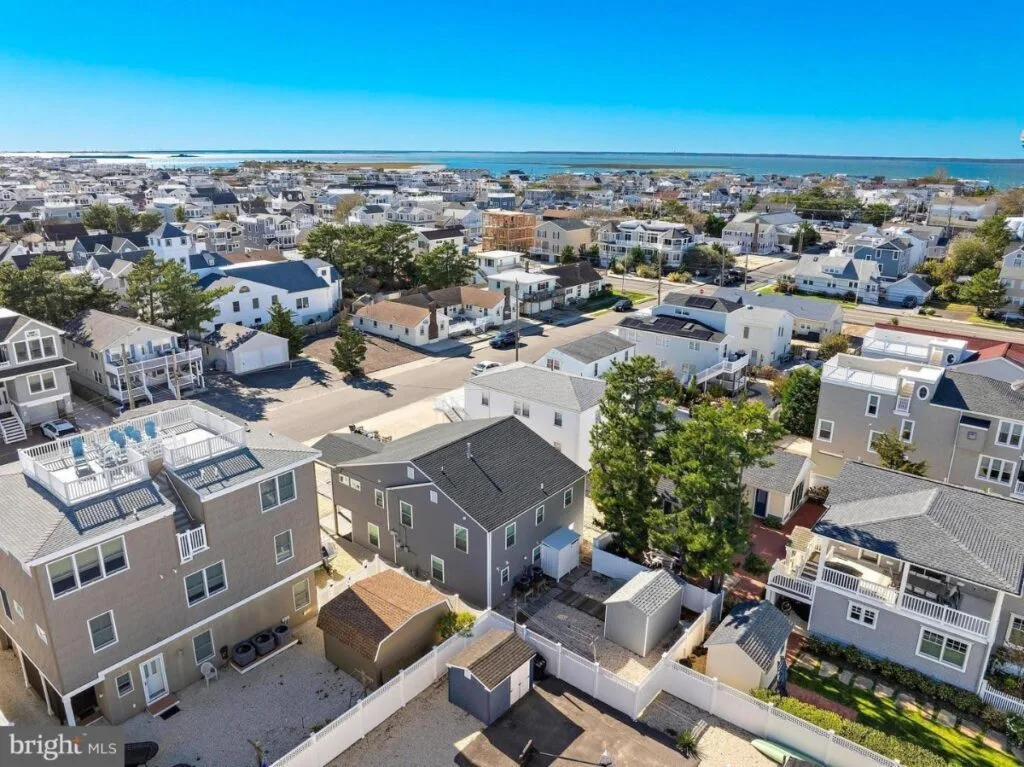
Pricing on LBI comes down to location, condition, and what buyers are shopping for right now.
On LBI, pricing is never one-size-fits-all. The strongest pricing strategy starts with who the buyer is and what they’re trying to accomplish. Two Long Beach Island homes for sale with similar square footage can price very differently. One may “live like a vacation,” and the other may feel more utilitarian.
Vacation Home Pricing
Pricing often reflects a mix of lifestyle value and investment logic. Buyers tend to pay close attention to:
- Location (oceanfront vs. bayfront, walkability, views)
- Seasonal appeal (decks, outdoor shower, parking, storage)
- Rental income potential (even as a “nice-to-have”)
- Turnkey condition (ready to enjoy this season)
Primary Home Pricing
Primary residences are typically anchored more heavily in traditional drivers such as:
- Comparable sales (recent closed comps)
- Neighborhood patterns and year-round livability
- Practical needs like parking, storage, and layout
Depending on the buyer pool, school considerations may also influence demand, especially for households planning longer-term occupancy.
Seasonality Impact
On Long Beach Island, timing matters because we’re working around the typical vacation season and how buyers behave as that season approaches.
Demand usually peaks in July and August, which can bring more showings, more urgency, and stronger competition, especially for well-located homes.
That said, many high-demand properties also perform well outside the core summer months. May, June, September, and even early October to winter can still be strong, depending on location, condition, and amenities. Buyers tend to be a little more selective in these windows, but they’re often serious and ready to act.
The takeaway: LBI’s seasonality shapes buyer urgency, which can influence pricing and negotiations.
Preparing Your Home for Sale
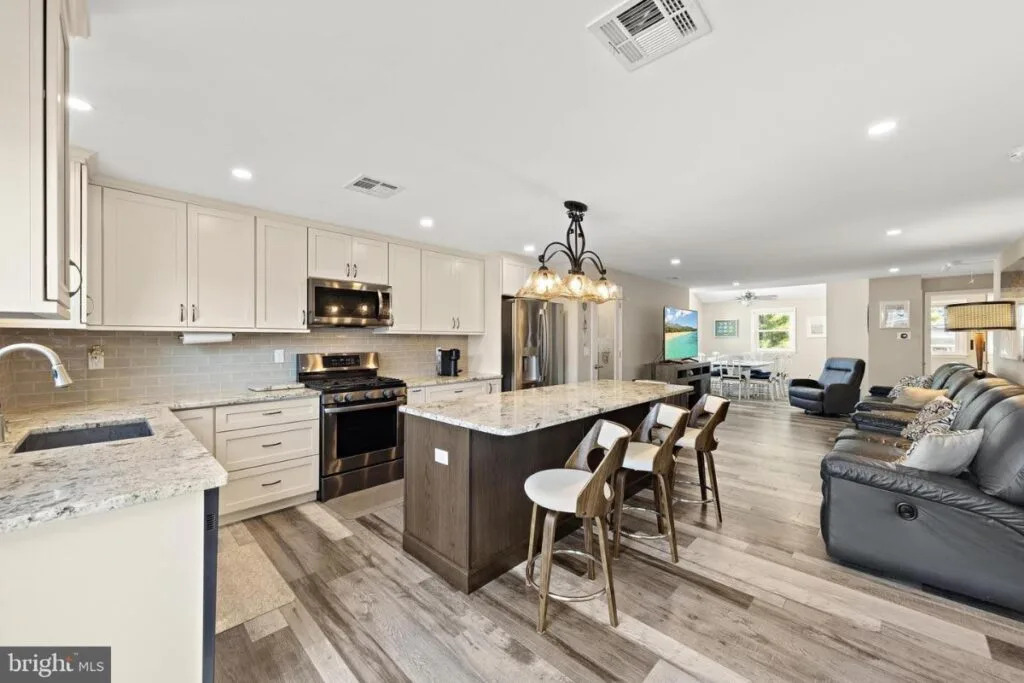
Preparation sells. Simple staging and clear spaces make a strong first impression.
On LBI, preparation means positioning the home so the right buyer can immediately see it as either their ideal vacation retreat or a full-time coastal residence.
Preparing Long Beach Island Vacation Homes
Vacation homes often have a broader buyer pool, including out-of-town shoppers who may decide quickly.
As Realtors, we encourage sellers to focus on:
- Staging for wide appeal: light, uncluttered, and “easy to walk into.”
- Highlighting lifestyle benefits: beach access, outdoor space, entertaining flow, and where beach gear actually goes.
- Professional photography: many vacation buyers shortlist homes online before they ever step on the island. That’s why photos matter.
For a local checklist-style reference, check out this helpful resource.
Preparing Primary Residences on LBI
For primary residences, we’re selling livability, or how the home functions week after week.
We typically emphasize:
- Clear room purpose and practical flow
- Storage and function: closets, pantry space, laundry setup, utility areas
- Cleaning and decluttering: primary-home buyers often revisit and notice details (and they open closets)
Tax and Financial Considerations
Vacation-home sales often come with extra tax considerations. Understanding the basics helps you plan realistically before you accept an offer.
Primary Residence Exemption
A primary residence may be entitled to federal capital gains exclusion as follows:
- Up to $250,000 for individuals
- Up to $500,000 for married couples filing jointly
To qualify, you generally must meet both the ownership test and the use test — owning and living in the home as your main residence for at least 2 of the last 5 years before the sale.
Vacation Home Sales
When selling a vacation home on LBI, federal and state taxes may apply to any gain from the sale. The exact amount depends on factors such as how long the property was owned, whether it was rented, and whether it was ever used as a primary residence.
If a vacation home is later used as a primary residence, federal rules may allow for some exclusion of gain for the time it was your main home. New Jersey, however, treats gains from property sales differently than federal rules, so state taxes may still apply.
Because rules can be complex and vary by situation, sellers are encouraged to consult a qualified tax professional to understand their individual circumstances.
Planning Tips
- Talk with a tax professional early, especially if there’s rental history
- Gather records now (improvements, major repairs, depreciation, rental statements)
- Treat taxes as a real line item in your net, not an afterthought
Marketing and Buyer Outreach
Marketing LBI homes effectively depends on who the most likely buyer is and what they care about first.
Vacation Home Buyers
Most Long Beach Island vacation homes attract out-of-town second-home buyers, investors, and vacationers ready to own. Focus on the lifestyle, including the proximity to the beach or bay, the views, outdoor living, and, when appropriate, rental potential.
Exposure on major home-search platforms and regional broker networks is generally an effective marketing strategy. Use VRBO/Airbnb and VRLBI.com history if it supports the property’s appeal.
Primary Home Buyers
Primary residences tend to draw local buyers and families looking for stability. Highlight the property’s long-term comfort: layout, storage, parking, year-round livability, and school considerations when they matter.
MLS-driven visibility plus local targeting can provide necessary exposure. Beyond that, your Realtor has the expertise to devise a marketing plan that targets the right buyers.
FAQs
Do I have to pay capital gains tax when selling a Long Beach Island vacation home?
Usually, yes. Most vacation-home sales don’t qualify for the primary-residence exclusion, and rental history (including depreciation) can affect what you owe.
When is the best time to list Long Beach Island vacation homes?
The spring season is typically the best time to list as it typically has strongest buyer demand. Late spring puts your home in front of buyers before summer plans lock in, when showings are easier to schedule, curb appeal is at its best, and urgency is high heading into peak season.
If the spring season isn’t realistic, a backup window is September through October, and even the winter months, when you often see fewer casual shoppers and more serious, qualified buyers
Should we market a vacation home’s rental income when selling?
If the home has credible rental history, it can help, but only when presented accurately. Use real documentation and position it as support, not a promise.
Take the Next Step to Selling Your Long Beach Island Home
Selling on Long Beach Island isn’t a “set it and forget it” process. The best outcomes come from understanding your buyer, choosing smart timing, and building a strategy that supports your price and protects your profitability.
At LBI Properties, we work in both vacation-home and primary-residence markets every day. With a track record of helping buyers and sellers on the island since 1981 and more than 1,300 successful transactions, we bring clear guidance, strong negotiation, and local insight built over decades.
Ready to plan your sale? Call David at 609.290.0779 or Michael at 609.290.3680, or email us to start the conversation.